General questions
What are custom fitted orthotics?
Custom fitted orthotics are medical-grade shoe inserts designed specifically for your feet. They help support proper alignment, improve biomechanics, and relieve pain caused by foot and lower body conditions.
What conditions can orthotics help with?
Orthotics can help with plantar fasciitis, flat feet, high arches, heel pain, knee pain, shin splints, and lower back discomfort. They are also beneficial for improving posture and reducing strain during daily activities.
How are custom orthotics made?
Your practitioner will assess your feet, gait, and posture, then take a scan or mold of your feet. This information is used to create orthotics tailored to your unique structure and needs.
What are custom fitted knee braces?
Custom fitted knee braces are supportive devices designed specifically for your knee’s shape, condition, and level of activity. They provide stability, protect injured structures, and help improve movement and function.
What conditions can a knee brace help with?
Knee braces can help with ligament injuries (such as ACL or MCL), meniscus tears, osteoarthritis, patellar tracking issues, and general knee instability. They are also commonly used during recovery or to prevent further injury.
How is a custom knee brace fitted?
A practitioner will assess your knee, measure your leg, and evaluate your movement. Based on your needs, a brace is selected or custom-made to ensure proper fit, comfort, and effectiveness.
What are compression stockings?
Compression stockings are specially designed socks or hosiery that apply gentle, graduated pressure to your legs. This helps improve blood circulation, reduce swelling, and support overall leg health.
Who can benefit from compression stockings?
Compression stockings are beneficial for individuals who experience leg swelling, varicose veins, fatigue from prolonged standing or sitting, or circulation issues. They are also commonly used during travel and pregnancy.
What levels of compression are available?
Compression stockings come in different levels, ranging from mild to medical-grade compression. Your practitioner will recommend the appropriate level based on your condition and needs.
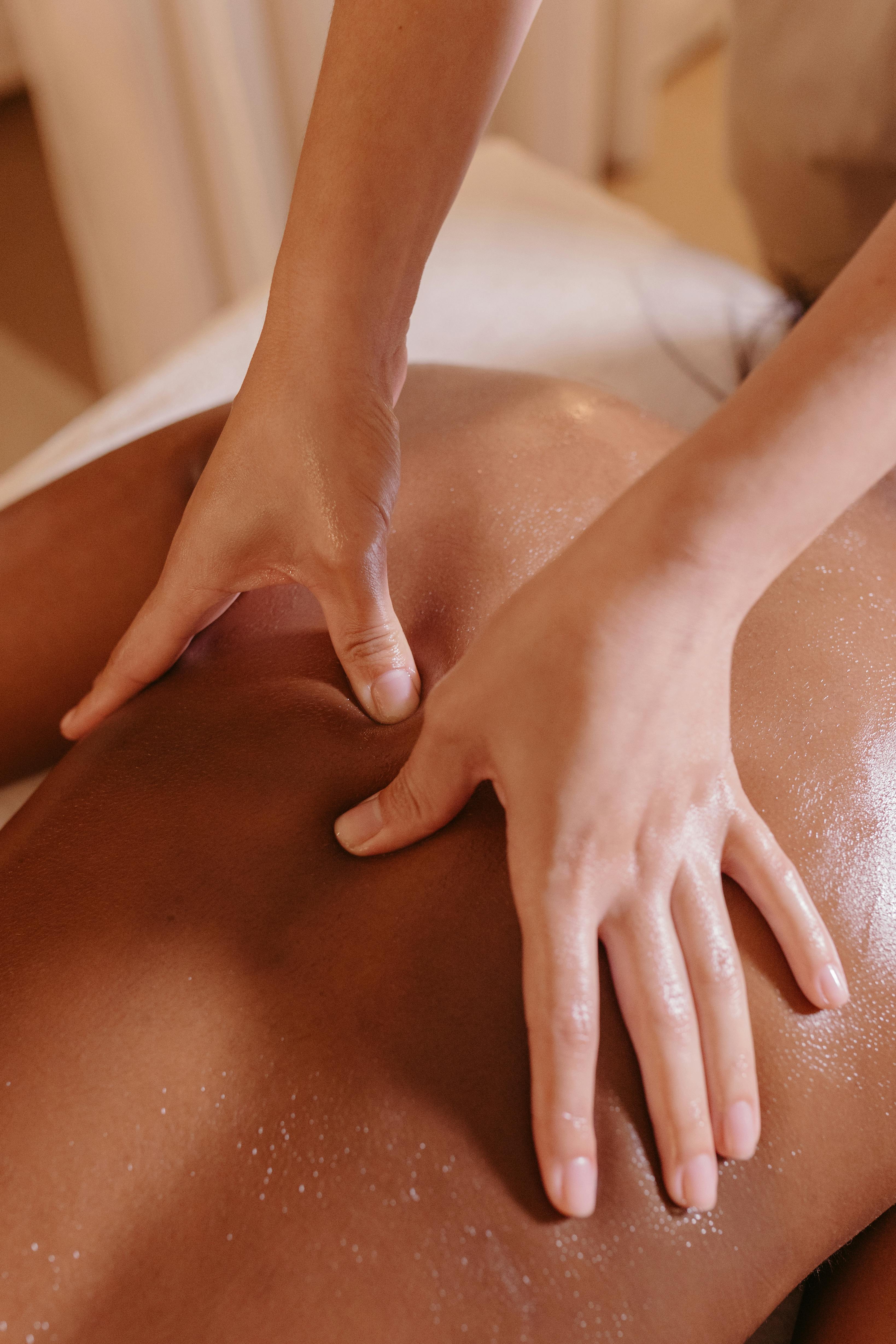
What conditions can therapeutic massage help with?
Therapeutic massage can help with a wide range of conditions, including muscle tension, chronic pain, sports injuries, headaches, back and neck pain, and stress-related symptoms. Your therapist will tailor the treatment to your specific needs and goals.
Do I need a referral to book a massage therapy appointment?
No, you do not need a referral to book an appointment. However, some insurance providers may require a doctor’s note for reimbursement, so it’s best to check your individual plan.
What should I expect during my first session?
Your first session will include a brief assessment where your therapist discusses your health history, concerns, and treatment goals. The massage will then be customized to address your needs, and your comfort level will be checked throughout.
Will therapeutic massage be painful?
Massage therapy should not be painful, but you may feel some discomfort when working on tight or sensitive areas. Your therapist will adjust pressure based on your feedback to ensure the treatment is both effective and comfortable.
What is deep tissue massage?
Deep tissue massage is a focused treatment that uses slower, more targeted pressure to reach deeper layers of muscle and connective tissue. It’s commonly used to relieve chronic tension, tightness, and muscle adhesions.
Who is deep tissue massage best suited for?
Deep tissue massage is ideal for individuals with chronic muscle pain, stiffness, postural issues, or those recovering from injuries. It’s also beneficial for athletes or anyone experiencing persistent tension from repetitive activities.
Is deep tissue massage painful?
You may feel some discomfort during a deep tissue massage, especially when working on tight or sensitive areas. However, it should always be manageable. Your therapist will adjust pressure based on your comfort level and feedback.
What should I expect after a deep tissue massage?
It’s normal to feel some soreness for 24–48 hours after treatment, similar to post-workout soreness. Drinking water, gentle stretching, and rest can help reduce discomfort and support recovery.
How often should I get a deep tissue massage?
The frequency depends on your needs and goals. For chronic issues, sessions may be recommended weekly or bi-weekly at first, then spaced out for maintenance. Your therapist will provide a personalized treatment plan.
What is myofascial massage?
Myofascial massage is a gentle, hands-on technique that targets the fascia—the connective tissue surrounding muscles—to release tension, improve mobility, and reduce pain throughout the body.
How is myofascial massage different from other types of massage?
Unlike traditional massage, myofascial therapy uses slow, sustained pressure rather than deep or rhythmic strokes. It focuses on stretching and releasing the fascia to address restrictions that may be causing discomfort or limited movement.
What conditions can myofascial massage help with?
Myofascial massage can help with chronic pain, muscle tightness, postural imbalances, headaches, and conditions like plantar fasciitis or fibromyalgia. It is especially effective for long-standing or unexplained pain patterns.
Does myofascial massage hurt?
Myofascial massage is typically gentle and should not be painful. You may feel a mild stretching or pressure sensation as the fascia releases, but treatments are generally relaxing and comfortable.
How many sessions will I need to see results?
Some people notice improvements after one session, while others may benefit from a series of treatments depending on the severity and duration of their condition. Your therapist will recommend a plan based on your individual needs.
What is Fascial Stretch Therapy (FST)?
Fascial Stretch Therapy is a guided, assisted stretching technique that targets the fascia and joints to improve flexibility, mobility, and overall movement. It is performed on a treatment table, with the therapist helping you stretch safely and effectively.
How is FST different from regular stretching?
Unlike self-stretching, FST is done with a trained therapist who stabilizes your body and gently moves you through deeper, more effective stretches. It focuses on the entire joint and fascial system rather than isolating individual muscles.
What are the benefits of Fascial Stretch Therapy?
FST can help improve flexibility, reduce muscle tightness, enhance athletic performance, relieve joint pain, and improve posture. It’s also effective for increasing range of motion and reducing the risk of injury.
Is Fascial Stretch Therapy painful?
FST should not be painful. You may feel a deep stretch, but the treatment is designed to be comfortable and relaxing. Your therapist will adjust the intensity based on your comfort level.
Who can benefit from Fascial Stretch Therapy?
FST is suitable for people of all activity levels—from athletes looking to improve performance to individuals experiencing stiffness, limited mobility, or recovering from injury. It’s also great for anyone who spends long hours sitting or has postural strain.
What is cupping massage therapy?
Cupping massage therapy is a treatment that uses specialized cups to create gentle suction on the skin. This helps improve circulation, relieve muscle tension, and promote healing in targeted areas of the body.
What are the benefits of cupping therapy?
Cupping can help reduce muscle tightness, improve blood flow, decrease inflammation, and support recovery from injuries. It is often used for back and neck pain, sports recovery, and overall relaxation.
Does cupping therapy hurt?
Cupping is generally not painful, but you may feel a tight or pulling sensation where the cups are applied. Most people find the treatment comfortable and relaxing.
Why does cupping leave marks on the skin?
Cupping can leave temporary circular marks due to increased blood flow to the area. These marks are not bruises and typically fade within a few days to a week.
Who should avoid cupping therapy?
Cupping may not be suitable for individuals with certain conditions, such as skin infections, open wounds, or bleeding disorders. Your therapist will review your health history to ensure the treatment is safe for you.
How long does it take to adjust to orthotics?
It may take a few days to a couple of weeks to fully adjust. You may be advised to gradually increase wear time to allow your body to adapt comfortably.
Are custom orthotics covered by insurance?
Many extended health benefit plans cover custom orthotics, often with a prescription. Coverage varies by provider, so it’s best to check your individual plan details.
Will wearing a knee brace weaken my muscles?
When used appropriately, a knee brace does not weaken your muscles. It is often used alongside a rehabilitation or strengthening program to support recovery and improve joint stability.
Are custom knee braces covered by insurance?
Many insurance plans provide coverage for custom knee braces, often requiring a prescription. Coverage varies, so it’s best to check with your provider for specific details.
How do I know if my compression stockings fit properly?
A proper fit is essential for effectiveness and comfort. Your legs will be measured to ensure the stockings provide the right amount of pressure without being too tight or restrictive.
Are compression stockings covered by insurance?
Many insurance plans cover compression stockings when prescribed for a medical condition. Coverage varies, so it’s best to check with your provider for specific details.
What is injury rehabilitation physiotherapy?
Injury rehabilitation physiotherapy focuses on recovering from acute or chronic injuries by reducing pain, restoring movement, and rebuilding strength.
What types of injuries can be treated?
Common conditions include sprains, strains, sports injuries, tendonitis, and overuse injuries affecting muscles, joints, and ligaments.
How long does recovery take?
Recovery time varies depending on the severity of the injury, but your physiotherapist will create a personalized treatment plan with clear goals and timelines.
What treatments are used?
Treatment may include manual therapy, therapeutic exercises, stretching, and education to support safe recovery and prevent re-injury.
Do I need a referral?
A referral is not required to begin physiotherapy, though some insurance plans may request one for reimbursement.
What is post-surgical rehabilitation physiotherapy?
This type of physiotherapy helps you recover safely after surgery by restoring mobility, strength, and function.
What surgeries benefit from physiotherapy?
Common examples include joint replacements, ligament repairs, spinal surgeries, and fracture repairs.
When should I start physiotherapy after surgery?
In many cases, rehabilitation begins shortly after surgery, depending on your surgeon’s recommendations.
What should I expect during treatment?
Your physiotherapist will guide you through progressive exercises and techniques to improve healing and regain function.
How long will rehabilitation take?
The timeline varies based on the procedure and your recovery goals, but your therapist will monitor progress and adjust your plan accordingly.
What is vestibular rehabilitation physiotherapy?
Vestibular rehabilitation is a specialized form of physiotherapy that treats dizziness, vertigo, and balance disorders related to the inner ear.
What conditions can it help with?
It can help with conditions such as vertigo, BPPV (Benign Paroxysmal Positional Vertigo), balance issues, and dizziness following injury or illness.
What does treatment involve?
Treatment includes specific exercises and movements designed to retrain your balance system and reduce symptoms.
Is vestibular therapy safe?
Yes, it is a safe and evidence-based treatment tailored to your condition and tolerance level.
How quickly will I see results?
Some patients experience improvement within a few sessions, while others may require ongoing treatment depending on the condition.
What is pediatric physiotherapy?
Pediatric physiotherapy focuses on helping infants, children, and adolescents improve movement, strength, and physical development.
What conditions can it help with?
It can assist with developmental delays, coordination challenges, posture issues, sports injuries, and neurological conditions.
What happens during a session?
Sessions are designed to be engaging and age-appropriate, often incorporating play-based activities to support development.
Do parents participate in treatment?
Yes, parents are encouraged to be involved and are given guidance and exercises to support their child at home.
How do I know if my child needs physiotherapy?
If you notice delays in movement milestones, coordination issues, or pain during activity, an assessment can help determine if therapy is beneficial.
What is general physiotherapy?
General physiotherapy focuses on assessing, diagnosing, and treating a wide range of physical conditions affecting movement and function.
What conditions can physiotherapy treat?
Physiotherapy can help with back and neck pain, joint issues, sports injuries, postural problems, and chronic conditions.
What treatments are used in physiotherapy?
Treatment may include manual therapy, exercise programs, education, and modalities tailored to your needs.
How many sessions will I need?
The number of sessions varies depending on your condition and goals, and your physiotherapist will outline a personalized plan.
Is physiotherapy covered by insurance?
Many extended health benefit plans cover physiotherapy services. Coverage details vary by provider.